Wartime: Oskar Schindler and Deutsche Emailwarenfabrik (DEF)
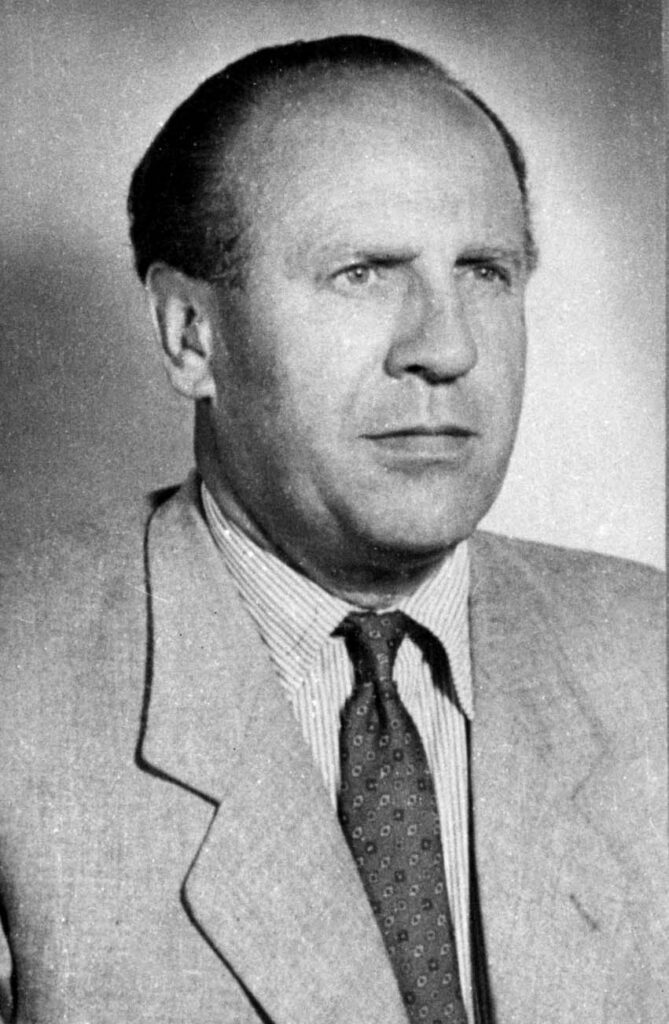
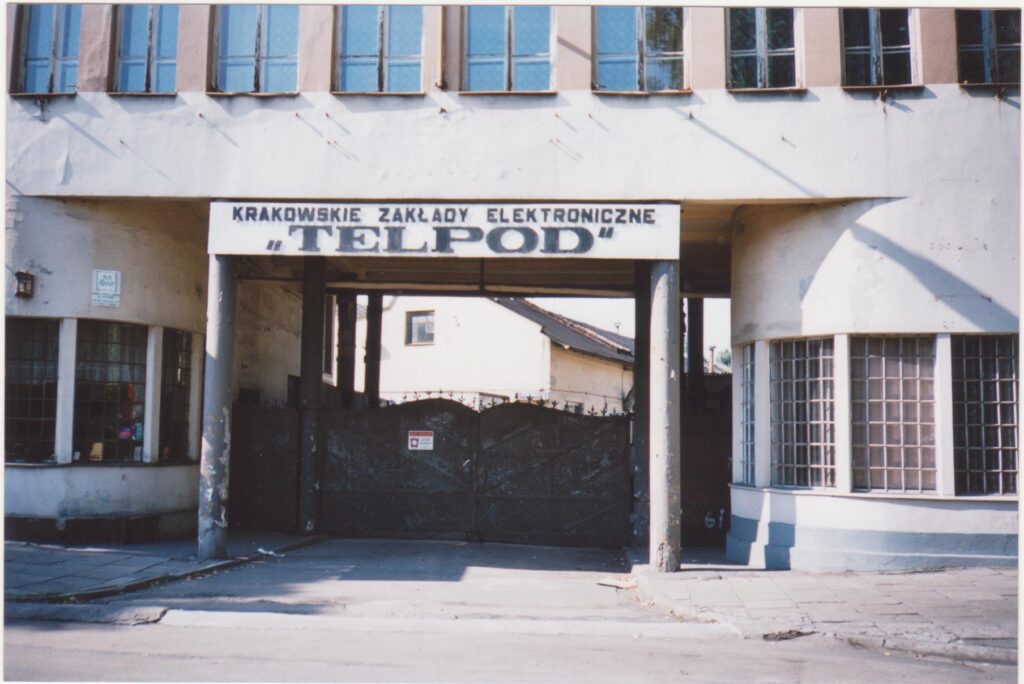
After the German occupation of Krakow in September 1939, the buildings at Lipowa 4 were taken over by Oskar Schindler, a businessman from Moravia who had joined the Abwehr (German intelligence) and sought opportunities in occupied Poland.
Schindler established Deutsche Emailwarenfabrik (DEF) – the German Enamelware Factory. Initially, DEF produced enamel kitchenware, later expanding to items considered useful for the German army. Like many wartime factories, DEF relied on forced labour, but the story that unfolded here became unique.
The Krakow Ghetto and the Need for “Essential Workers”
In March 1941, Krakow’s Jewish population was forced into the newly created Krakow Ghetto in Podgórze. Jewish factories and workshops were liquidated, and thousands of people sought any form of work that might protect them from deportation.
Employment at DEF soon became one of the most valuable lifelines.
Workers officially registered as “essential” had a significantly higher chance of avoiding deportations to extermination camps.
From the Ghetto to Płaszów
After the liquidation of the Krakow Ghetto in March 1943, surviving Jews were transferred to the Płaszów camp, initially a forced-labour camp later transformed into a concentration camp in 1944. Schindler continued to employ people from Płaszów, using his influence and financial resources to shield them from the brutality of the camp system.