About the Exhibition

The permanent exhibition “Kraków under Nazi Occupation 1939–1945” is the heart of the Schindler’s Factory Museum. It presents the story of Kraków and its inhabitants during one of the darkest chapters in the city’s history. The exhibition goes beyond the story of Oskar Schindler himself, focusing instead on the broader historical context of German occupation, terror, resistance, and survival.

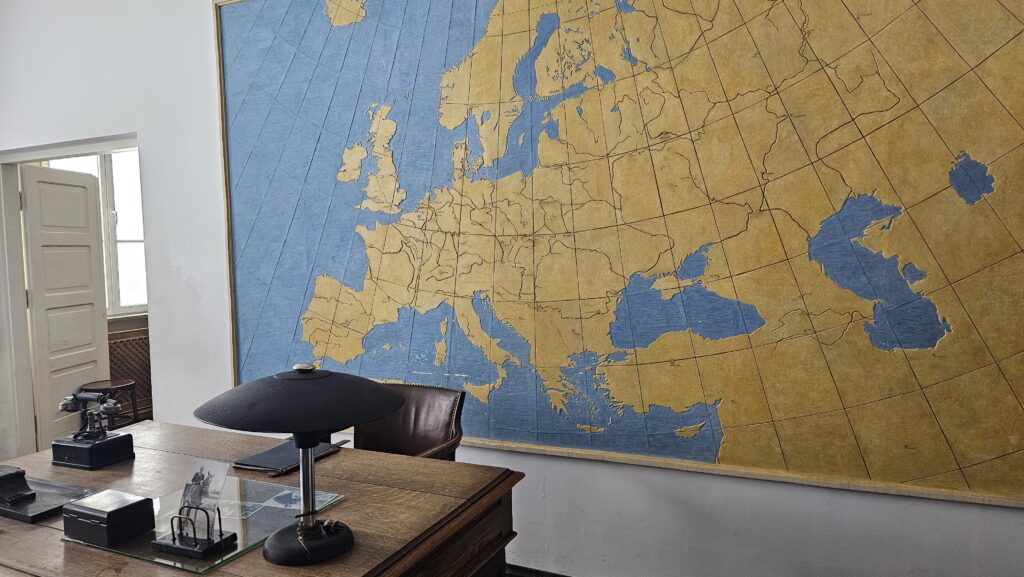
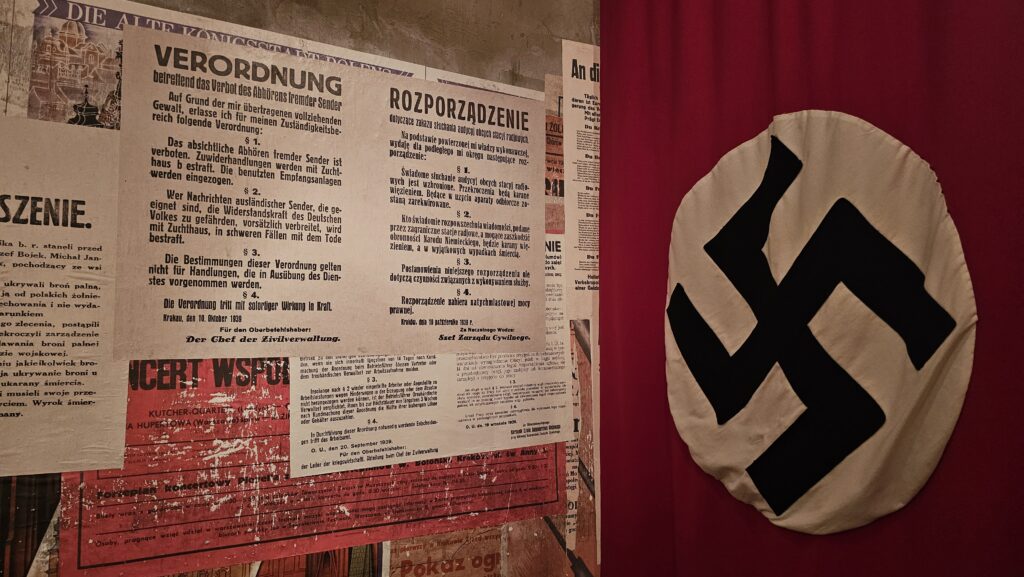
Designed as a narrative experience, the exhibition leads visitors chronologically through the years of occupation. It immerses them in authentic historical settings, including recreated streets, apartments, offices, and even a ghetto passage. The goal is not only to present facts, but to allow visitors to feel the atmosphere of wartime Kraków.

The content is supported by a rich collection of original photographs, archival documents, multimedia presentations, and eyewitness testimonies. Every element – from sound design to spatial arrangement – is meant to evoke strong emotional reactions and deepen understanding.
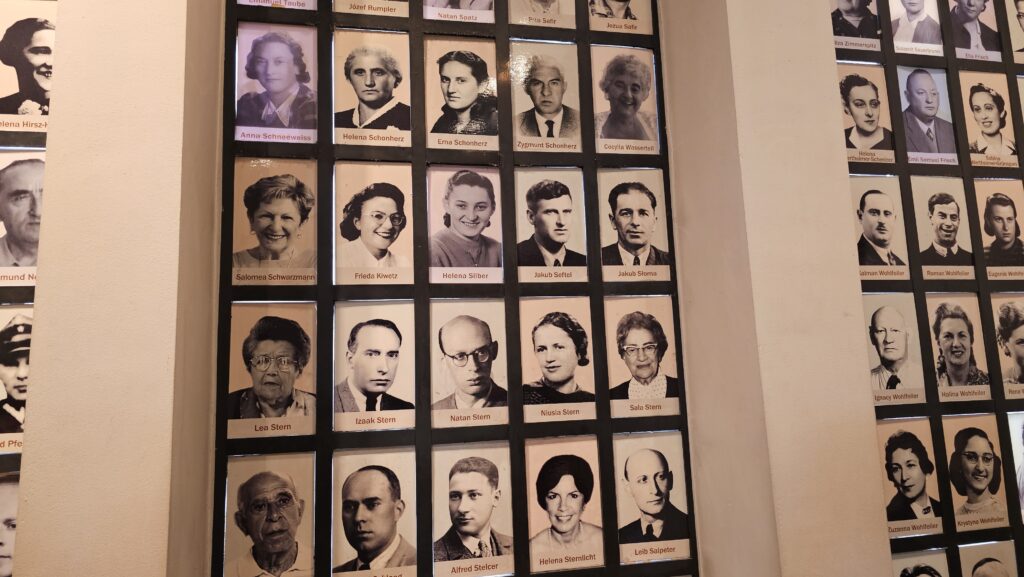
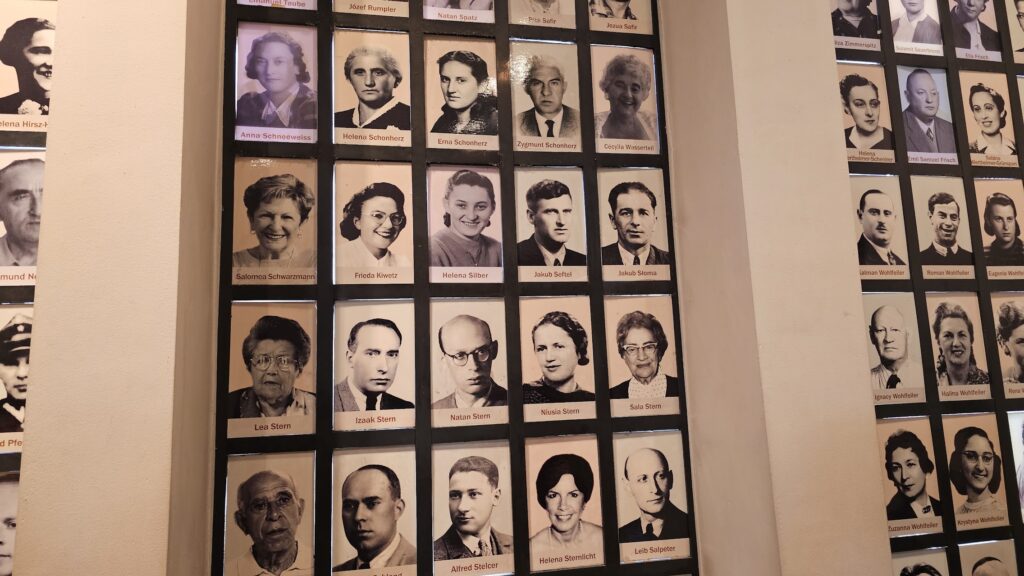
Portraits of Holocaust survivors who were saved by Oskar Schindler, featured as part of the permanent exhibition.
Reconstructed street scene of Nazi-occupied Kraków, allowing visitors to walk through a realistic wartime environment.

Key Themes and Stories

The exhibition explores a wide range of historical topics through personal stories and collective memory. The key themes include:

  • Daily life under occupation – How both Polish and Jewish residents of Kraków adapted to the harsh new reality
  • The rise of Nazi terror – Mass arrests, censorship, executions, and the dismantling of Polish institutions
  • The Jewish Ghetto – The isolation, persecution, and deportation of Kraków’s Jewish population
  • Forced labour and industry – Including the operation of Schindler’s enamel factory and its transformation into a place of survival
  • Resistance and underground activity – Acts of defiance, courage, and the fight to preserve national identity
  • Liberation and aftermath – What followed after the German retreat and the scars left by war

The story of Oskar Schindler and the people he saved is naturally present – not as the sole focus, but as one of many narratives that illustrate both human cruelty and moral courage.

Plan Your Experience

Visiting this exhibition is not only an opportunity to learn history – it’s a deeply personal and emotional experience. Whether you are a history enthusiast, a student, or a first-time visitor to Kraków, this exhibition offers a unique insight into the tragedy of war and the resilience of those who lived through it.

  • The average visit lasts 1.5 to 2 hours, depending on your pace
  • The exhibition is suitable for visitors aged 14+ due to the difficult subject matter
  • All texts and displays are available in Polish and English; audio guides and tours in multiple languages are also available
  • We recommend planning your visit in advance – you can find more details on the Plan Your Visit page

The exhibition is part of the Historical Museum of the City of Kraków and takes place in the original administrative building of Schindler’s Enamel Factory – the very place where many people’s lives were saved.

Portraits of Holocaust survivors who were saved by Oskar Schindler, featured as part of the permanent exhibition.

FAQ – Schindler’s Factory Museum

No – the permanent exhibition is not a film set reconstruction. It is located in the original administrative building of Oskar Schindler’s factory, but the focus is on the broader history of Kraków under German occupation. Some original elements of the factory remain, but the exhibition is designed as a historical narrative, not a movie replica.

No. While Schindler’s story is an important part of the museum, the exhibition covers the full context of Kraków’s occupation from 1939 to 1945, including the experience of the city’s Jewish population, everyday life under terror, and resistance activities.

Most visitors spend around 1.5 to 2 hours in the exhibition. If you read every panel and watch every film, it may take longer.

The exhibition contains difficult and emotional content, including testimonies and photographs related to the Holocaust and Nazi crimes. It is generally recommended for visitors aged 14 and up.

Yes – all exhibition texts are presented in Polish and English. Audio guides and guided tours are also available in several other languages.

Yes, non-flash photography for personal use is generally permitted, except in selected areas where marked otherwise.

Due to high interest, especially in the summer and on weekends, we strongly recommend booking your tickets ahead of time. You can find details on the Plan Your Visit page.