History of Schindler’s Factory in Krakow

Schindler’s Factory, located at 4 Lipowa Street in the industrial district of Zabłocie, is today one of Krakow’s most meaningful historical sites. Visitors know it mainly as the location associated with Oskar Schindler and the people he saved during the Holocaust. But the history of this place is much broader – spanning pre-war Jewish entrepreneurship, German occupation, communist-era industry and the creation of one of Poland’s most visited museums, the Schindler Factory Museum.
Below is a comprehensive, easy-to-read overview based on verified historical sources.

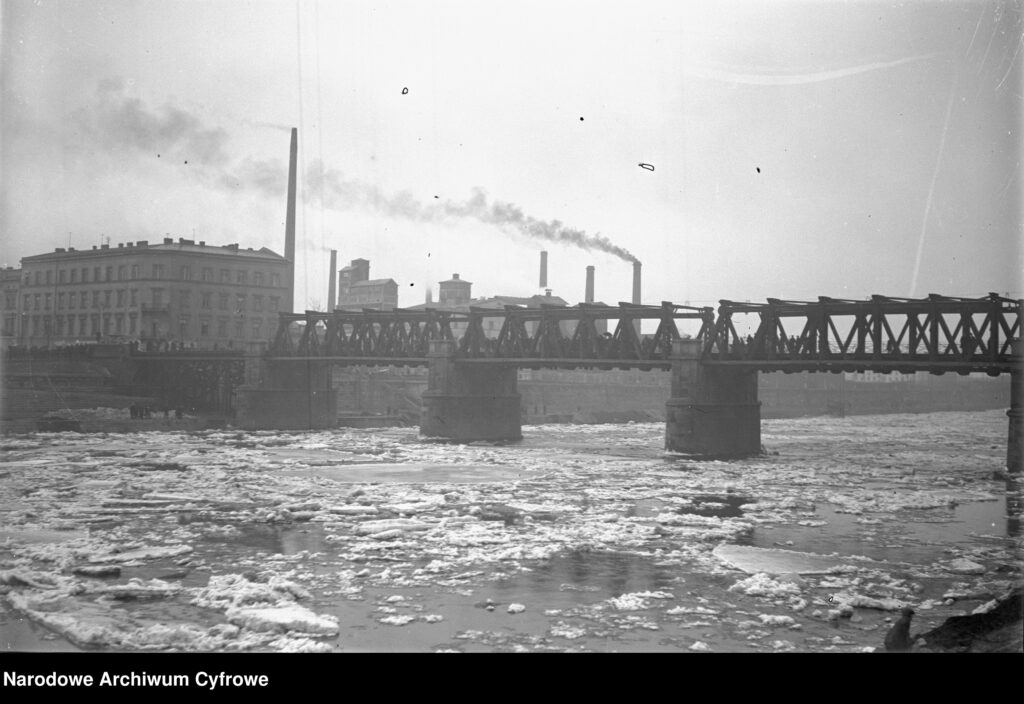
1929 photograph of the Podgórski Bridge in Krakow, showing the Koppers furnace and Municipal Gasworks buildings in the industrial Podgórze district.
Podgórze Bridge. In the background: the Koppers furnace, the Municipal Gasworks buildings, and the chimneys of the Municipal Power Plant and the Krakow Municipal Electric Railway power station. National Digital Archives of Poland, ref. 3/1/0/8/4563a (public domain).

Before the War: The “Rekord” Enamelware Factory

The story begins in March 1937, when the site at Lipowa 4 became home to the Pierwsza Małopolska Fabryka Naczyń Emaliowanych i Wyrobów Blaszanych “Rekord” (First Małopolska Enamelware and Sheet-Metal Works “Rekord” Ltd.).

The factory was founded by three Jewish entrepreneurs:

  • Michał Gutman from Będzin
  • Izrael Kohn from Krakow
  • Wolf Lajzer (Luzer) Glajtman from Olkusz

Their business operated in the rapidly developing industrial belt of Zabłocie, producing household enamelware and metal goods for everyday use. For a short time, “Rekord” flourished – reflecting the economic ambition and entrepreneurial spirit of Krakow’s Jewish community.

However, in June 1939, just months before the outbreak of the Second World War, the company filed for bankruptcy. After liquidation began, the buildings stood mostly idle. This quiet, seemingly ordinary industrial site would soon become central to one of the most remarkable wartime stories of survival.

Wartime: Oskar Schindler and Deutsche Emailwarenfabrik (DEF)

After the German occupation of Krakow in September 1939, the buildings at Lipowa 4 were taken over by Oskar Schindler, a businessman from Moravia who had joined the Abwehr (German intelligence) and sought opportunities in occupied Poland.

Schindler established Deutsche Emailwarenfabrik (DEF) – the German Enamelware Factory. Initially, DEF produced enamel kitchenware, later expanding to items considered useful for the German army. Like many wartime factories, DEF relied on forced labour, but the story that unfolded here became unique.

The Krakow Ghetto and the Need for “Essential Workers”

In March 1941, Krakow’s Jewish population was forced into the newly created Krakow Ghetto in Podgórze. Jewish factories and workshops were liquidated, and thousands of people sought any form of work that might protect them from deportation.

Employment at DEF soon became one of the most valuable lifelines.
Workers officially registered as “essential” had a significantly higher chance of avoiding deportations to extermination camps.

From the Ghetto to Płaszów

After the liquidation of the Krakow Ghetto in March 1943, surviving Jews were transferred to the Płaszów camp, initially a forced-labour camp later transformed into a concentration camp in 1944. Schindler continued to employ people from Płaszów, using his influence and financial resources to shield them from the brutality of the camp system.
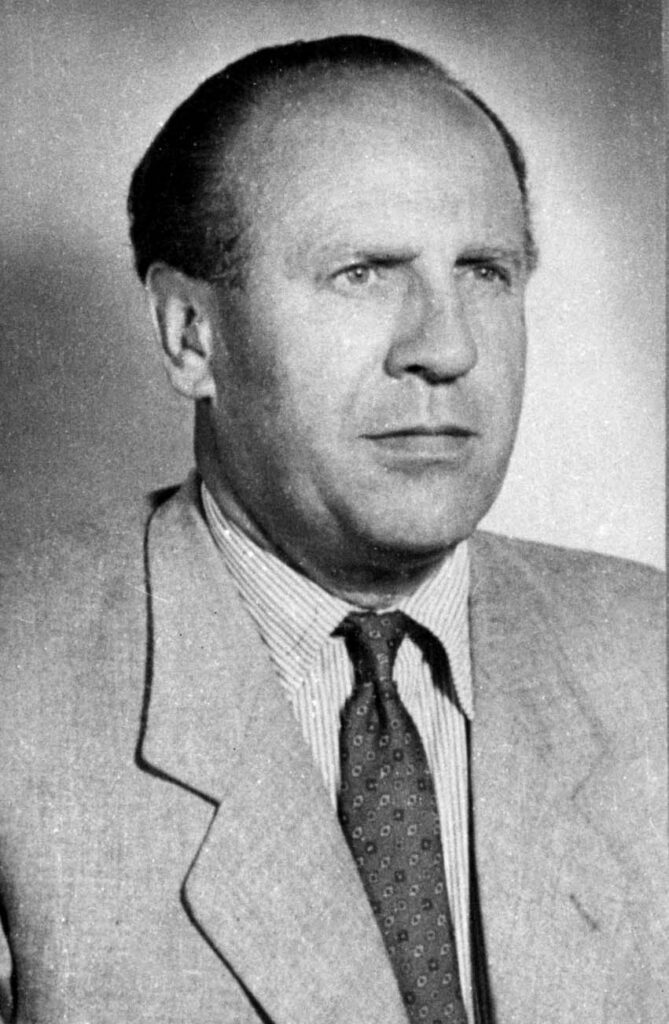
Oskar Schindler in Argentina after World War II
Oskar Schindler in Argentina after World War II. Source: Yad Vashem, public domain (via Wikimedia Commons).
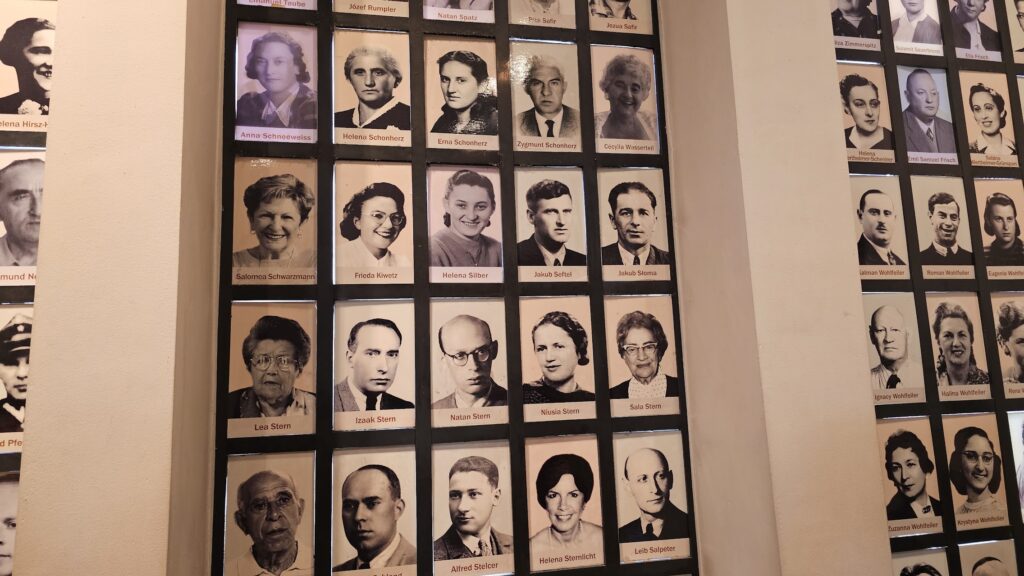
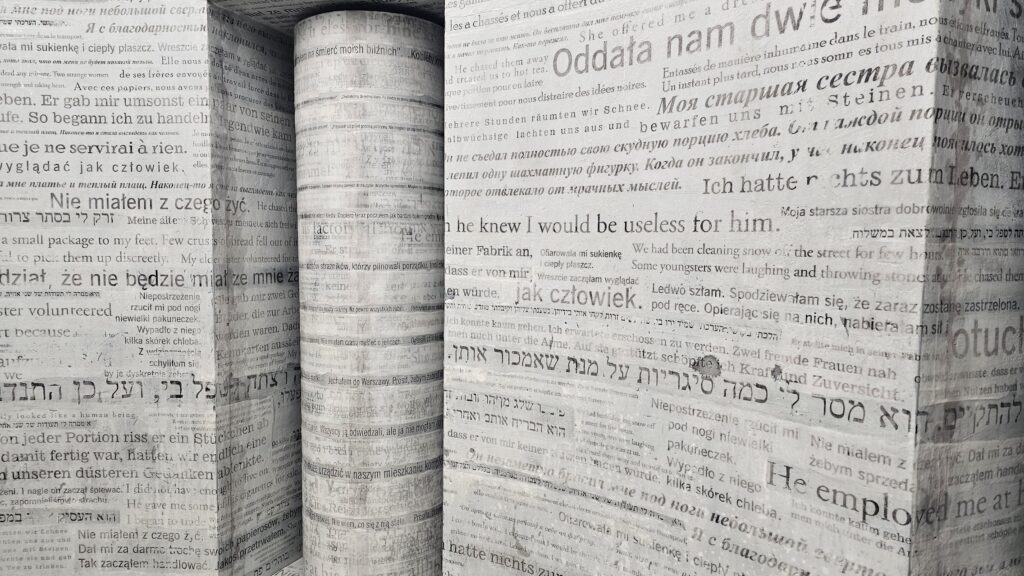
Photographs of Holocaust survivors displayed at Schindler’s Factory Museum in Kraków.
Photographs of Holocaust survivors presented in the permanent exhibition at Schindler’s Factory Museum, showing personal stories of Kraków’s Jewish community during World War II.

1944: Transfer to Brünnlitz

As the Soviet front approached in 1944, factories supporting the German war effort were relocated. Schindler took this opportunity to orchestrate an extraordinary rescue. He created a list of workers – later known as “Schindler’s List” – and secured permission to transfer them to his new plant in Brünnlitz (today Brněnec in the Czech Republic).

More than 1,000 Jewish workers were transported away from Płaszów, avoiding the fate that awaited so many others from Krakow. For these men and women, Schindler’s decision meant survival. Their testimonies form one of the most important chapters in the history of the Holocaust.

After the War: From Enamelware to Electronics

When the war ended in 1945, Lipowa 4 briefly resumed industrial operations before being nationalised under the communist government. For most of the post-war decades, the site housed Zakłady TELPOD, one of Poland’s major manufacturers of electronic components such as resistors and parts for radios and industrial equipment.

For several generations of Krakow residents, Lipowa 4 was simply “the TELPOD factory”, and the wartime story was known mainly to survivors and historians.

This began to change in the 1990s, when global attention turned to the history of Oskar Schindler, triggering a wave of research, commemoration initiatives and efforts to preserve the surviving factory complex.

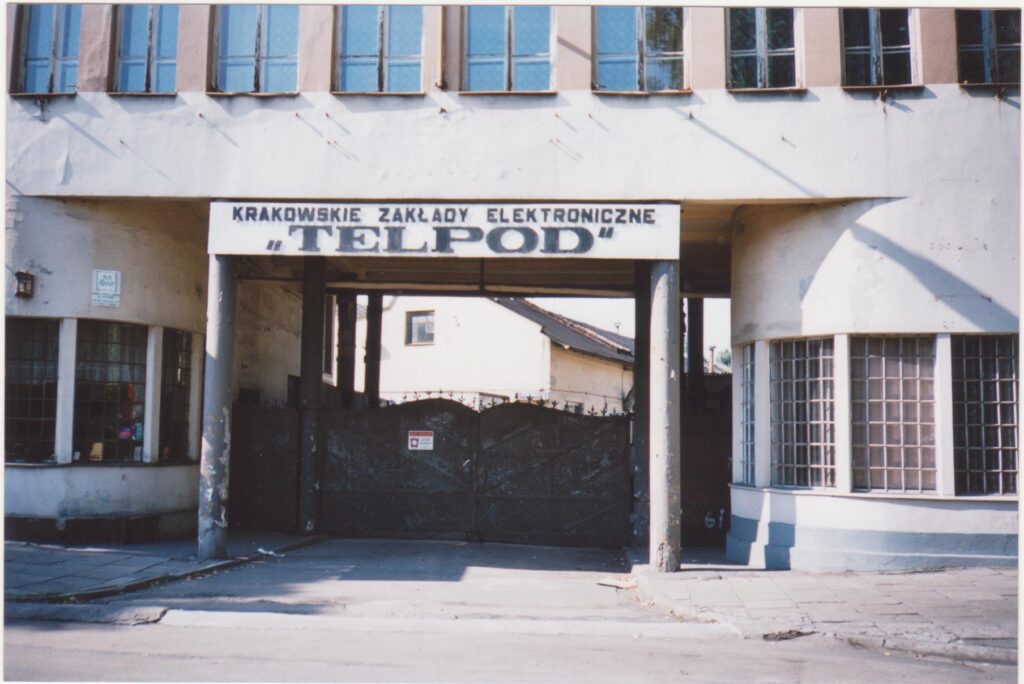
Entrance to Oskar Schindler’s Factory in Kraków photographed in July 2000, with the TELPOD sign still visible above the door.
Entrance to Oskar Schindler’s Enamel Factory in Kraków, photographed on 30 July 2000, with the historic TELPOD sign still above the door. Photo by Ehud Amir, CC BY-SA 4.0, via Wikimedia Commons.


Schindler on Screen: The Global Impact of Schindler’s List

In 1993, Steven Spielberg’s Schindler’s List brought worldwide attention to the story of Oskar Schindler. While most interior scenes were filmed on specially constructed sets or in other locations, some scenes were shot inside the actual factory buildings at Lipowa 4, adding authenticity to the film’s visual atmosphere.

The movie sparked international interest in Schindler’s legacy, and thousands of visitors began seeking out the real location of the factory where so many found protection during the Holocaust.

The Museum Today: Krakow Under Nazi Occupation 1939–1945

In the early 2000s, the City of Krakow acquired part of the factory and transformed it into a world-class historical museum.
In 2010, the permanent exhibition “Krakow Under Nazi Occupation 1939–1945” opened to the public.

The museum does not focus solely on Oskar Schindler. Instead, it tells a broader story: what life was like for Krakow’s residents – Jewish and non-Jewish – under German occupation. The exhibition features:

  • reconstructed wartime streets
  • original documents, photographs and personal testimonies
  • immersive multimedia installations
  • stories of resistance, terror, survival and everyday life
  • the preserved administrative office associated with Oskar Schindler

Today, Schindler’s Factory is one of Krakow’s most visited museums, attracting millions of people who want to understand the city’s wartime past and the extraordinary rescue carried out by Schindler and his workers.

The history of Schindler’s Factory is a story of entrepreneurship, war, destruction, rescue and memory. From its Jewish founders in the 1930s, through the dark years of occupation and the miracle of Schindler’s List, to its transformation into a museum of international significance – the site at Lipowa 4 remains a powerful place of reflection.
This rich historical background makes the Schindler Factory Museum an essential stop for anyone visiting Krakow and wanting to understand the city’s experience during the Second World War.