Oskar Schindler Biography

Explore the life of Oskar Schindler (1908–1974), the German industrialist whose efforts saved over 1,000 Jews during the Holocaust. His story is a complex narrative of opportunism, transformation, courage, and legacy. Learn more through this in-depth account based on verified sources, including the United States Holocaust Memorial Museum Encyclopedia.

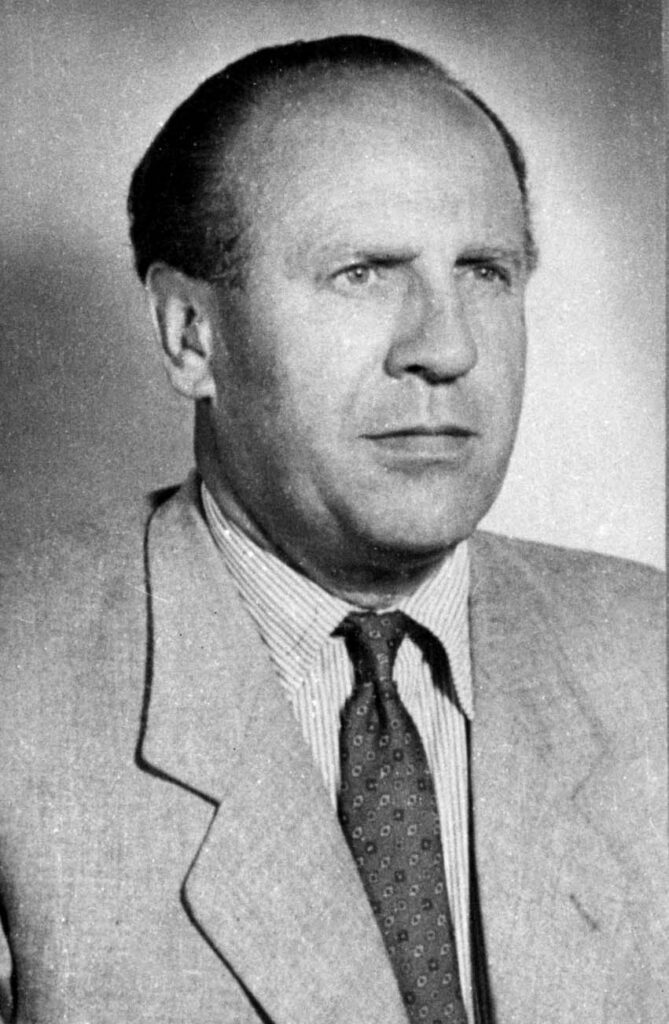
Oskar Schindler in Argentina after World War II
Oskar Schindler in Argentina after World War II. Source: Yad Vashem, public domain (via Wikimedia Commons).

Early Life and Background

Oskar Schindler was born on April 28, 1908, in Zwittau (Svitavy), a town in Moravia, then part of the Austro-Hungarian Empire (now the Czech Republic). He came from a well-off German Catholic family. His father, Hans Schindler, owned a farm machinery business, while his mother, Louisa, was a homemaker. From a young age, Oskar showed signs of charisma, ambition, and a taste for adventure, but his early adult life was marked by instability. He studied engineering but never completed his degree and was known for his easy charm, love of parties, and entrepreneurial spirit.

During the interwar years, Schindler struggled with financial setbacks and personal difficulties. He joined the Nazi Party in 1939, largely as a means of advancing his career under the growing Nazi regime.

Acquiring the Factory

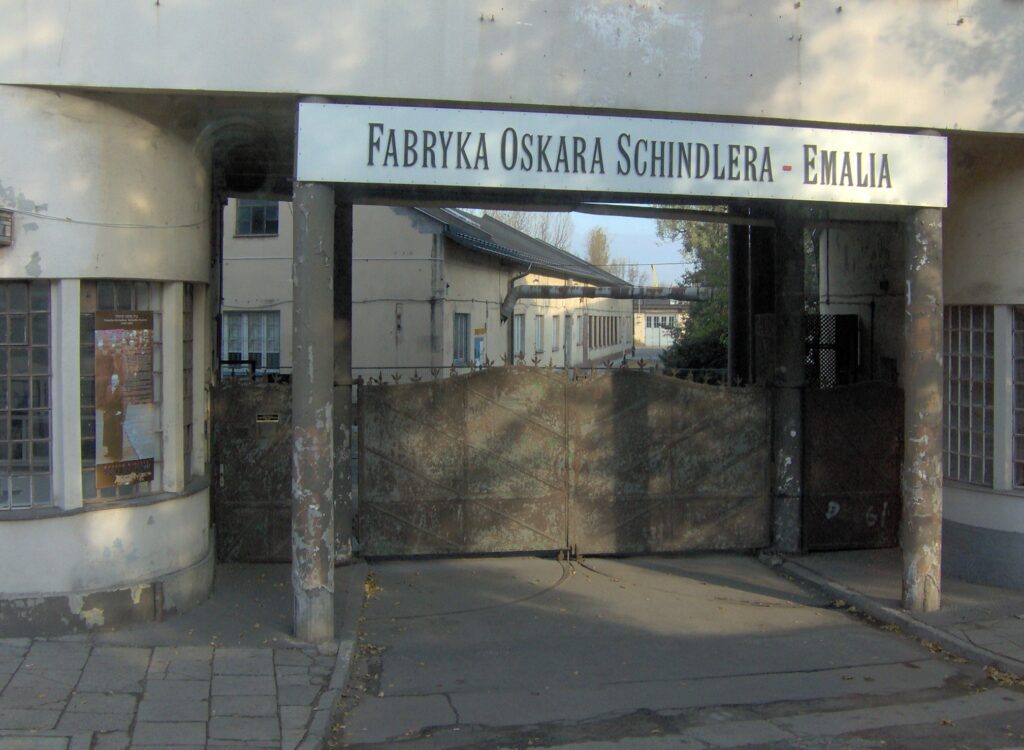
In October 1939, shortly after the German invasion of Poland, Schindler moved to Kraków. He took over a former Jewish-owned enamelware factory located in the Zabłocie district. Renamed Deutsche Emailwarenfabrik (DEF), it produced kitchenware for the German army. His initial motive was profit: under Nazi regulations, Jews were forced into ghettos and their businesses were seized. Schindler used his connections to lease the factory and obtain military contracts.

Through his Jewish accountant, Itzhak Stern, Schindler began employing Jewish workers from the Kraków Ghetto. Although at first he benefited from their low-cost labor, over time he became increasingly disturbed by the brutal treatment they faced.
Transformation and Rescue Efforts

Schindler’s turning point likely came in 1942–1943, during the liquidation of the Kraków Ghetto and the establishment of the Plaszow forced labor camp. He witnessed mass deportations, violence, and inhumane conditions. In response, he began to use his wealth, influence, and connections to protect his workers.

He bribed SS officers, falsified records, and argued that his workers were essential to the war effort to prevent their deportation to extermination camps. When the Plaszow camp was being closed in 1944, Schindler compiled a list of over 1,000 Jewish workers whom he claimed were vital to his new armaments factory in Brünnlitz, in occupied Czechoslovakia. This list—now known as Schindler’s List—became the basis for their survival.

At the Brünnlitz factory, Schindler continued to shelter his workers, often at great personal cost. His factory produced little usable ammunition—deliberately so—and he spent his fortune feeding and protecting his workers. In doing so, he saved the lives of approximately 1,200 Jews.

Entrance to Oskar Schindler’s Enamel Factory in Kraków, photographed on 30 July 2000, with the historic TELPOD sign still above the door. Photo by Ehud Amir, CC BY-SA 4.0, via Wikimedia Commons.
Photo by Sumit Surai, licensed under CC BY‑SA 4.0 , via Wikimedia Commons
Oskar Schindler’s House , Photo by Noa Cafri, licensed under CC BY‑SA 2.5
via Wikimedia Commons

After the War

Following Germany’s surrender in 1945, Schindler fled west with his wife Emilie, fearing retribution for his ties to the Nazi Party. He was supported by Jewish organizations and individual survivors. Though initially celebrated by some, his post-war life was filled with failed business ventures in Germany and Argentina. Despite being recognized by Yad Vashem as one of the Righteous Among the Nations, Schindler lived in relative poverty and obscurity for most of his later years.

In the 1960s and 70s, he began receiving public attention again, largely due to the efforts of survivors he had saved. His story reached global prominence with the publication of Thomas Keneally’s Schindler’s Ark (1982) and Steven Spielberg’s 1993 film Schindler’s List.

Death and Legacy

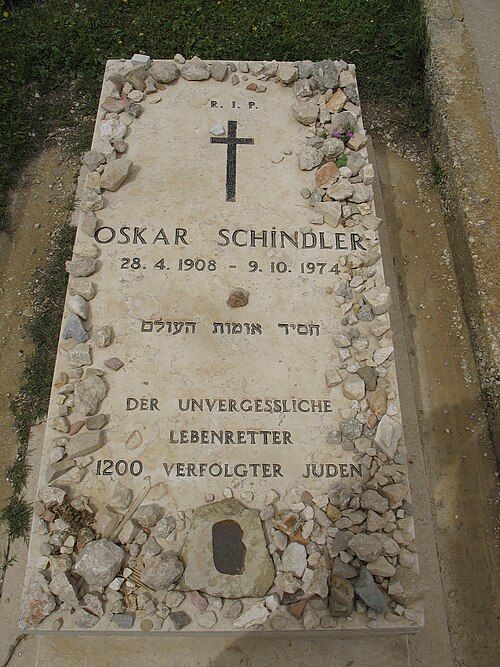
InOskar Schindler died on October 9, 1974, in Hildesheim, Germany. He was buried at the Catholic cemetery on Mount Zion in Jerusalem, Israel—an honour very rarely bestowed upon a non-Jew. His grave remains a site of tribute, often covered with stones left by visitors as a sign of respect in Jewish tradition.

Schindler’s legacy is profound. He is remembered not only for saving lives but for the personal transformation that led him to defy the system he once benefited from. His story is one of the most powerful examples of moral courage during one of history’s darkest times.

Grave of Oskar Schindler at the Catholic cemetery on Mount Zion, Jerusalem
Photo by Acmthompson, public domain via Wikimedia Commons
Grave of Oskar Schindler at the Catholic cemetery on Mount Zion, Jerusalem
Photo by Acmthompson, public domain via Wikimedia Commons

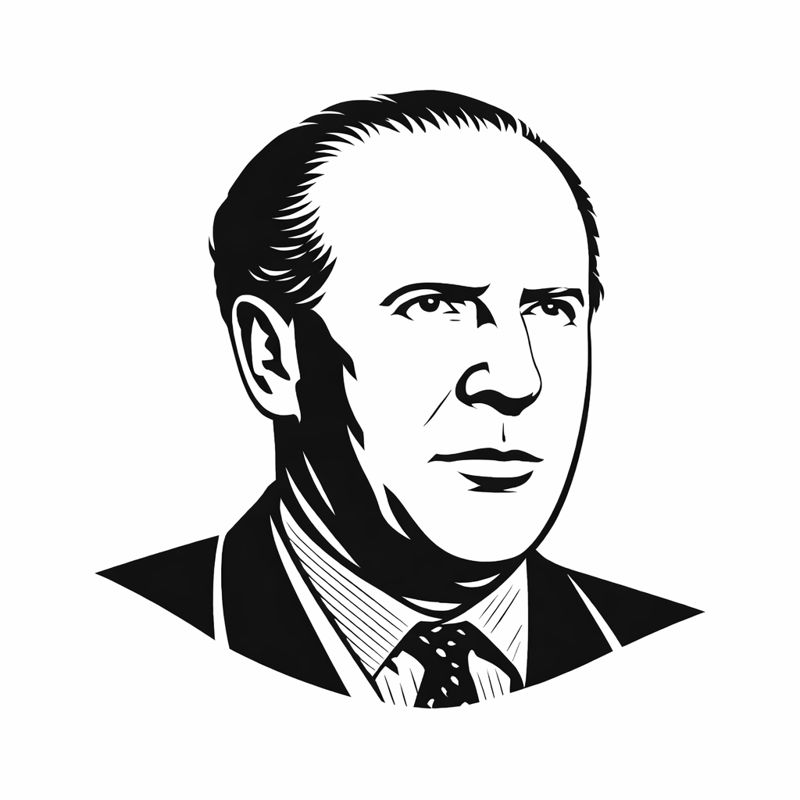
tylised black and white vector portrait of Oskar Schindler, wearing a suit and tie, facing slightly to the right, on a white background

Frequently Asked Questions about Oskar Schindler

Oskar Schindler was a German industrialist who saved over 1,000 Jews during the Holocaust by employing them in his factories. Initially motivated by profit, he later risked his life and fortune to protect his workers from Nazi persecution.

Oskar Schindler is buried in the Catholic cemetery on Mount Zion in Jerusalem, Israel. He is one of the few non-Jews honoured with burial in this sacred place.

“Schindler’s List” refers to the list of Jewish workers Schindler protected by moving them to his factory in Brünnlitz, Czechoslovakia, where they were saved from deportation to death camps.

Yes. The former enamel factory in Kraków now houses the Schindler’s Factory Museum, part of the Historical Museum of the City of Kraków. It focuses on life in Kraków during World War II under German occupation.